
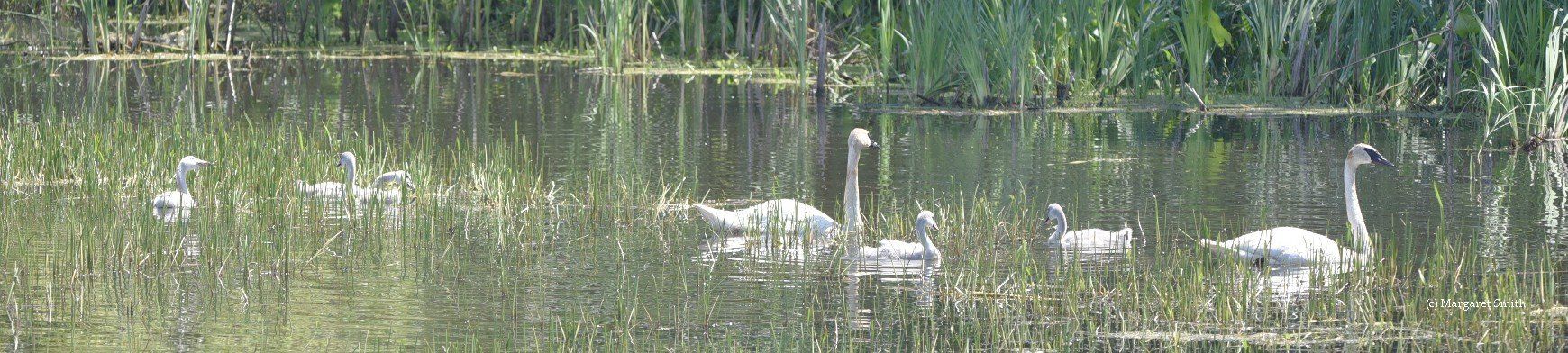
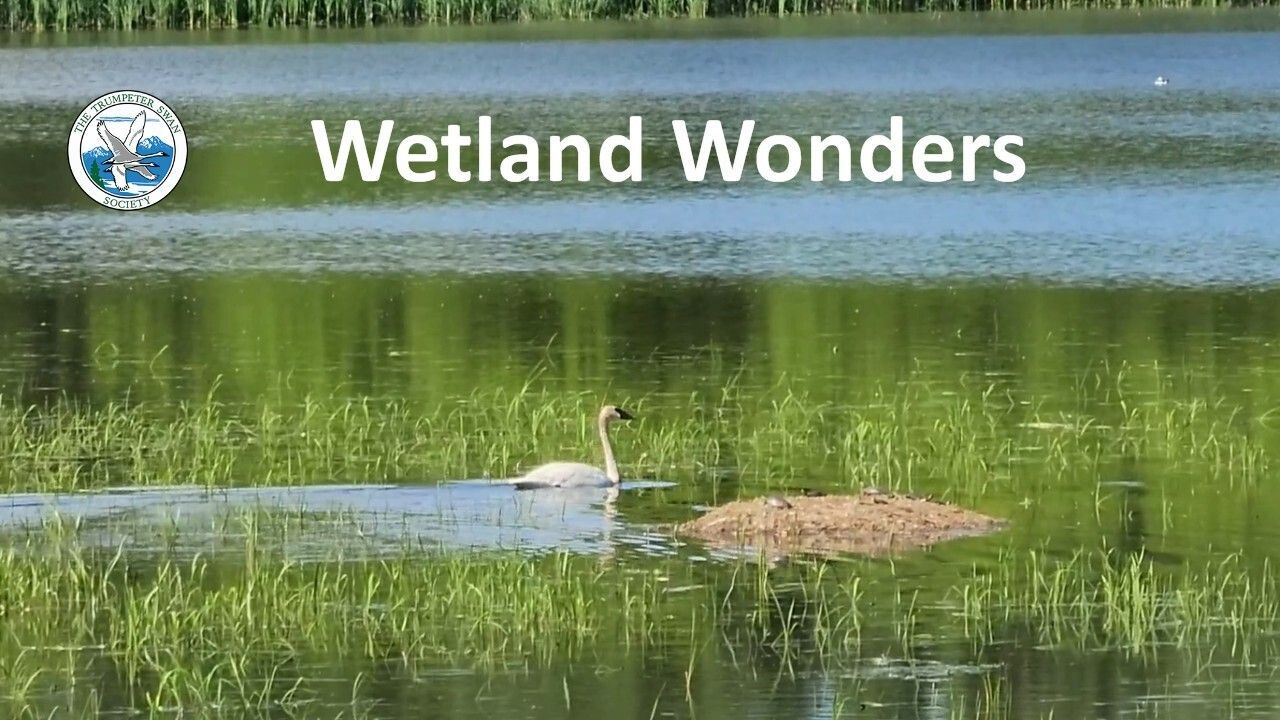
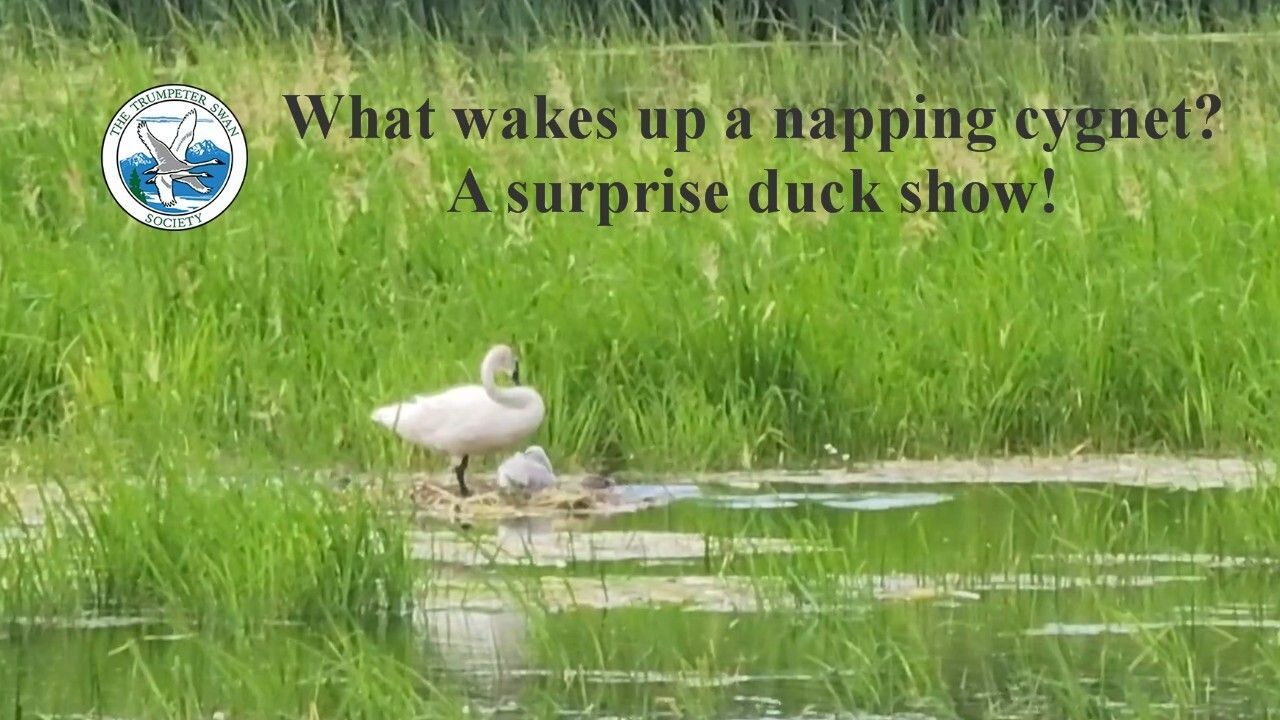
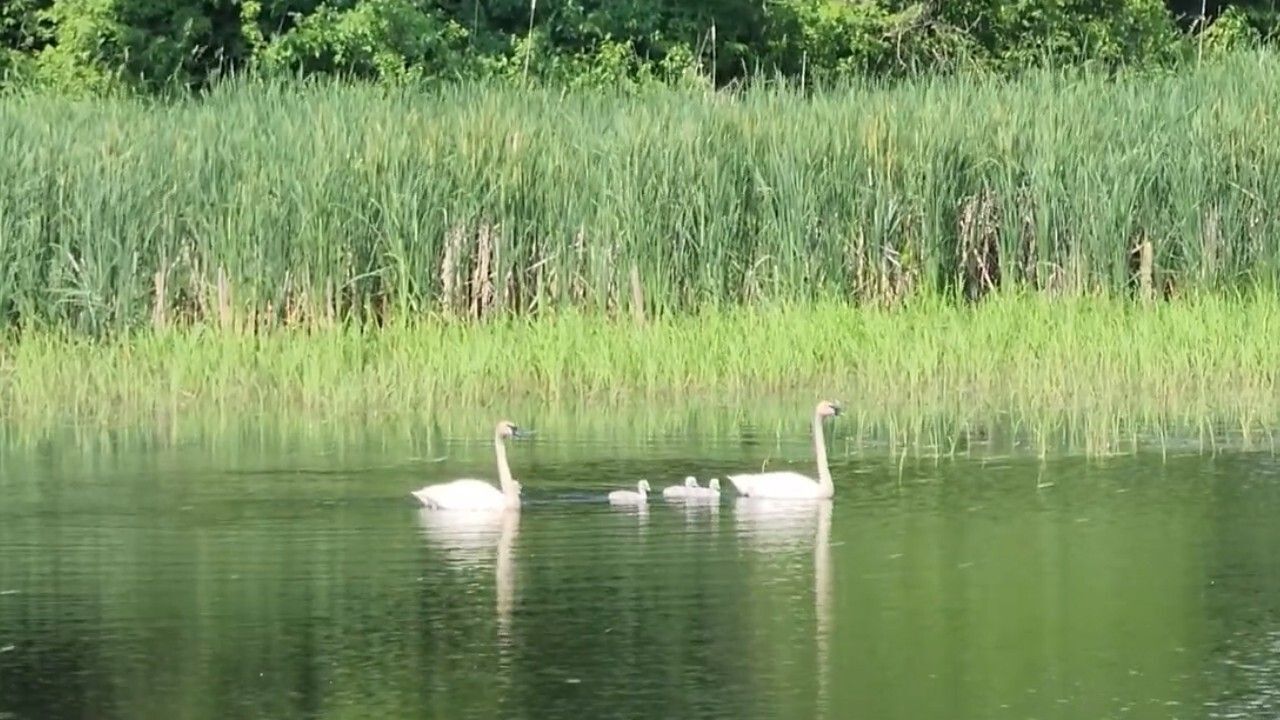
Photograph (c) Margaret Smith
Wetlands are essential to all living things, and a vital habitat for trumpeter swans. Wetlands are also one of the most threatened ecosystems, at risk from pollution, climate change, and development.
Did you know?
- 40% of the world's species live or breed in wetlands.
- Wetlands are a source of clean drinking water.
- They can help reduce or prevent flooding.
- Some wetlands store greenhouse gases and can help mitigate climate change
- Wetlands support economies through sustainable fishing, agriculture, recreation and tourism.
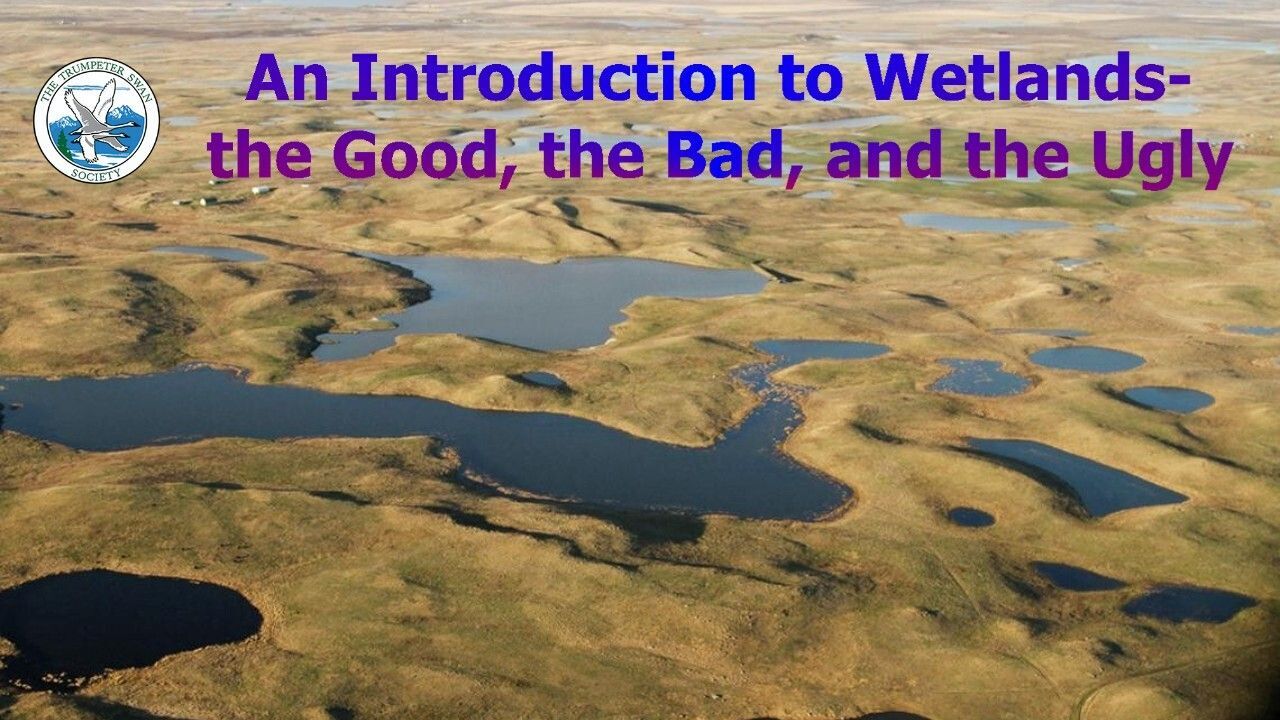
Watch our webinar, An Introduction to Wetlands- the Good, the Bad, and the Ugly, to learn more about wetland benefits, the scale of wetland removal through policies in the US and Canada, and how you can help.
In our webinar, NAWMP: the story of people, partnerships and action for continental conservation, you'll learn how conservation happens on a grand scale through voluntary partnerships.
-
1 hr, 11 minutes
Wetlands are an important ecosystem that provide habitat for plants and animals, but have multiple benefits to humans as well. In this webinar, you will learn:
• How to know if you’re looking at a wetland
• The different kinds of wetlands you may see or have in your area
• Wetland functions and benefits
• The current status of wetlands (losses, threats and protection)
· And, finally, how you can help.March 26, 2025
“A very good introduction to wetlands and the threats they face...”
“Clear illustration of wetland benefits to natural world and humans living in it, and destructive practices.” -
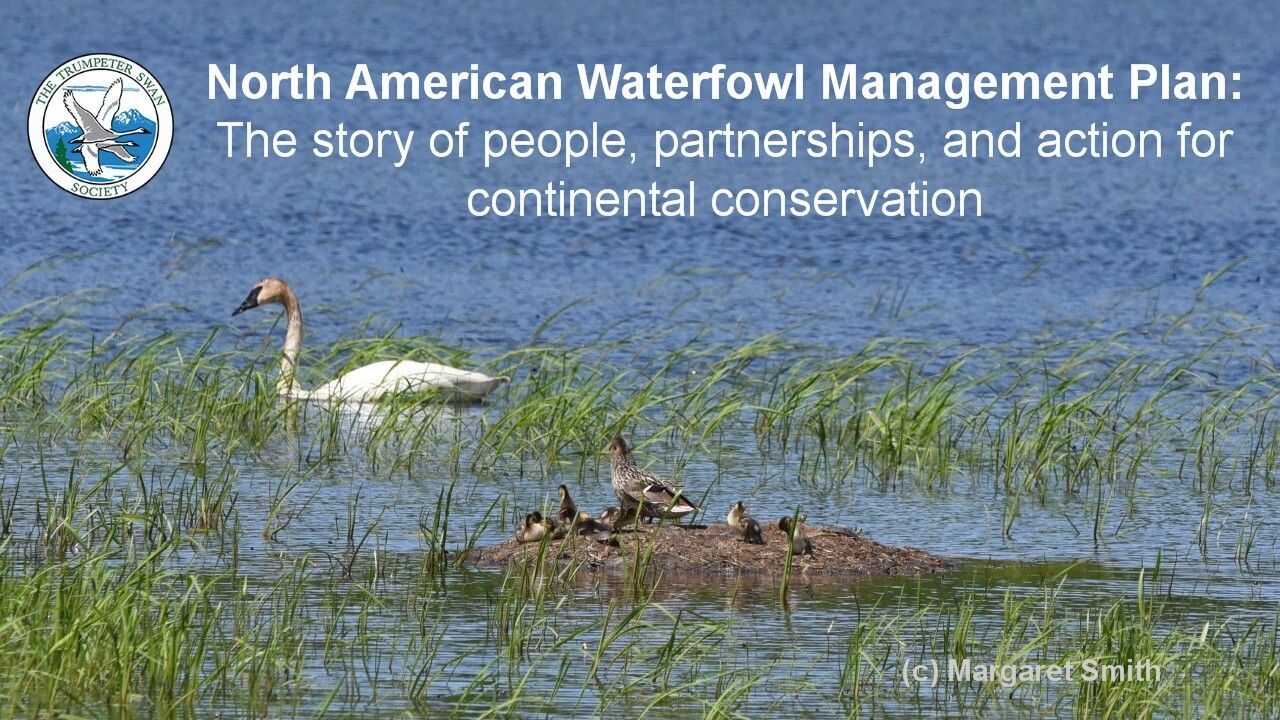
The North American Waterfowl Management Plan (NAWMP) celebrates 40 years of conservation progress in 2026.
Some of the lessons from NAWMP are clear and simple. NAWMP was built on voluntary partnerships, people working together from Canada to Mexico to achieve big things while no one was truly "in charge". Migratory birds with their flyway connections have natural powers to bring people together in a common cause. Partners need to care about outcomes, not credit. Integrity and trust are crucial, as is evaluating programs and adapting to biological and social change.
November 20, 2025
"It was an awesome presentation…I learned a lot about the 40 years of conservation efforts, and was especially interested in the many partnerships that enabled this to happen!" -
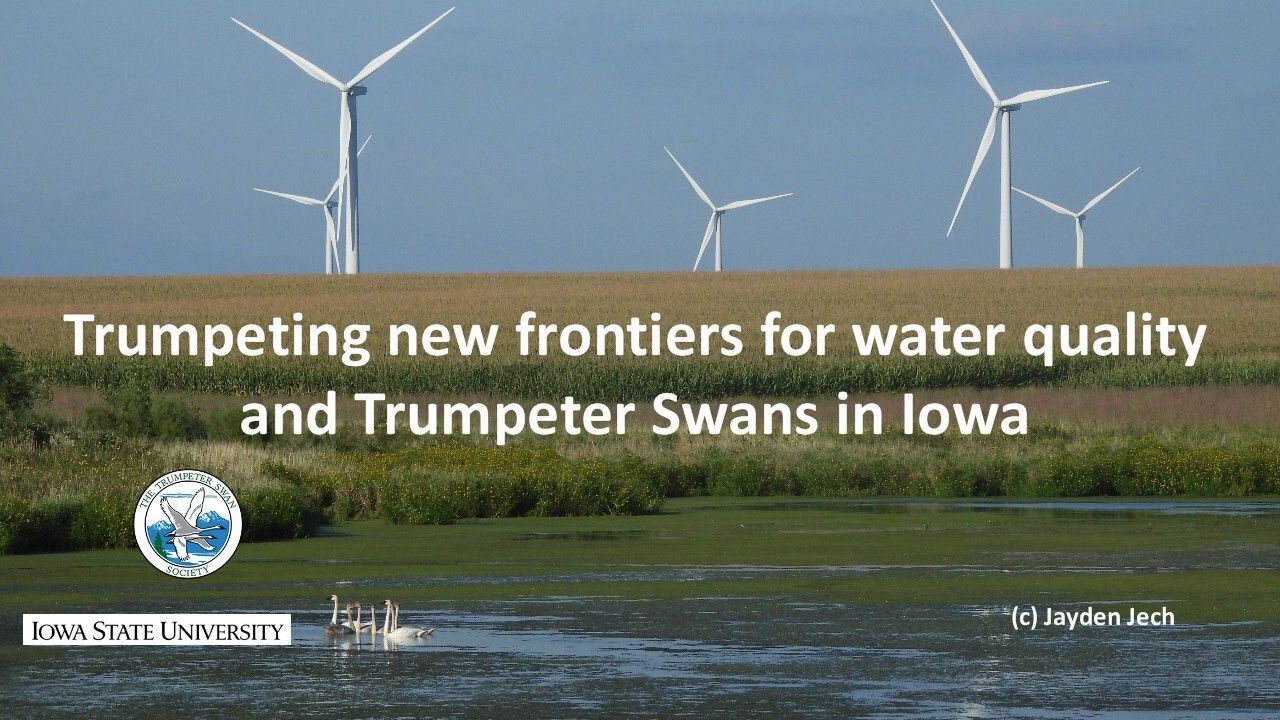
1 Hr. By 2025, over 100 wetlands have been constructed on private lands with the primary goal of improving water quality and capturing nutrient runoff in this working landscape. These unique created wetlands not only benefit water quality, but also support Trumpeter Swan recovery across an agricultural landscape. The webinar includes a video of baby swans recently hatched on a ‘nutrient treatment wetland’, how drones were used in surveys over 2 years and captured photos of the life of cygnets from 0-100 days, and recommends the most effective features to include on created wetlands to keep water clean and attract wildlife like trumpeter swans.
October 13, 2026
"The discussion about what may make certain wetlands and ponds more useful to swans and the discussion about the use of drones was particularly beneficial."
Wetlands, which include marshes, swamps, and bogs, are crucial ecosystems that provide a wide range of environmental benefits. Watch our webinar, An Introduction to Wetlands- the Good, the Bad, and the Ugly, to see the wide array of wetlands. Did you know even lakes are a kind of wetland?
Many species rely on wetlands for habitat, breeding grounds, and food sources. As wetlands vanish, these species are at risk of extinction, leading to a loss of biodiversity and disrupting fragile ecosystems.
People need wetlands. They are essential to having clean drinking water, and reducing damaging flooding.
- Wetlands are vital in maintaining water quality and regulating water flow.
- They act as natural filters, trapping pollutants and sediments before they reach larger bodies of water and underground aquifers.
- Wetlands also help prevent flooding by absorbing excess water during heavy rainfall and releasing it slowly over time.
- As wetlands disappear, the risk of water pollution and flooding increases.
How do you protect wetlands?
- Conservation measures such as creating protected areas
- Implementing sustainable land use practices
- Restoring degraded wetlands can help mitigate the loss of these critical habitats
- Collaboration among governments, environmental organizations, and local communities is key to safeguarding wetlands for future generations.
- Know how your representatives are voting on policies that impact wetlands.
The disappearance of wetlands requires our immediate attention and action. Protecting these vital ecosystems is not only essential for biodiversity and ecosystem health but also for the well-being of human communities that rely on the services provided by wetlands like clean drinking water and flood control.
You can help by (links are in Ways to Help, below):
- Purchasing an annual US federal Duck Stamp, if you live in the US
- Purchasing a Canadian Wildlife Habitat Conservation Stamp, if you live in Canada
- Be sure you know how your local legislators and representatives are voting nationally, state-wide or province- wide, and locally
- Make a donation to the North American Swan Fund of the Trumpeter Swan Society
- Wear and show your support by Trumpeting the Cause for Wetlands merchandise through our Conservation Gift Shop
- Share the importance of wetlands and their protection with children using our engaging and science- based activity books.
Ways to help wetlands (Links)
-
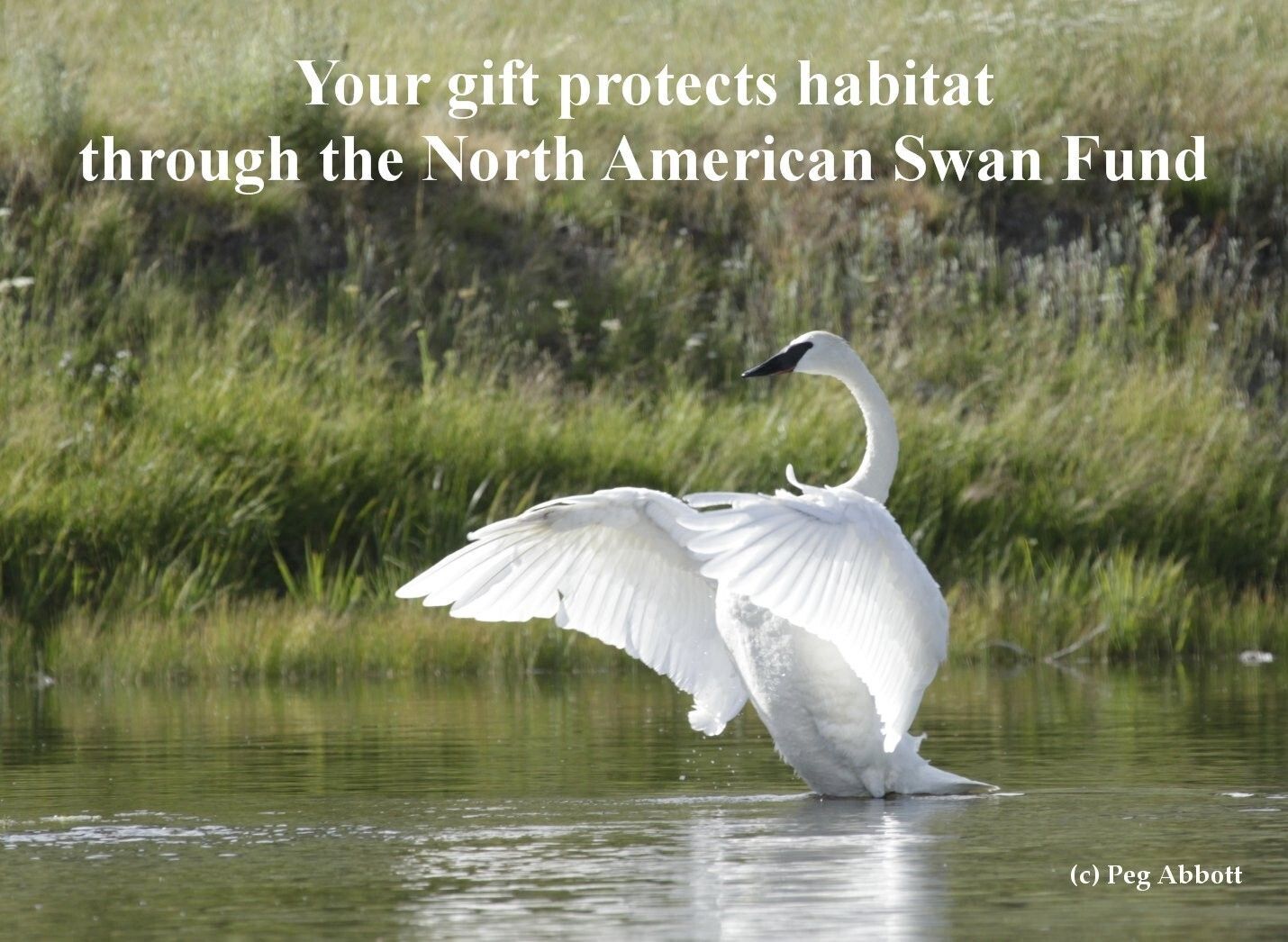
Your secure donation to the North American Swan Fund is needed for critical habitat protection, swan research, and education about trumpeter swans and the habitats they need to thrive.
-
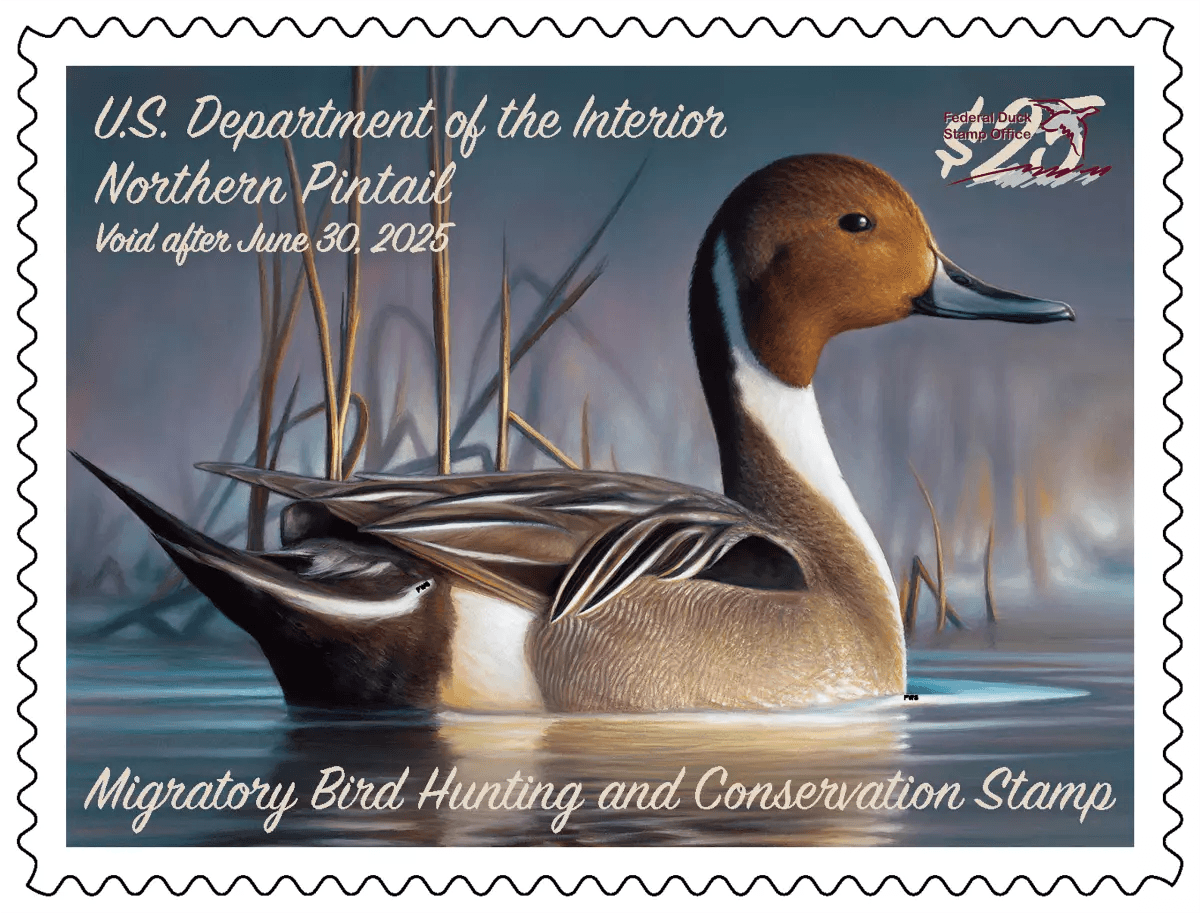
In the United States, be an active conservationist by purchasing an annual Duck Stamp. You do not need to be a hunter to purchase a stamp. Learn where and how to purchase these beautiful miniature works of art. $25 US. There are also Junior Duck Stamps for kids.
Photo: Duck Stamp 2024-2025, Chuck Black/USFWS, Copyrighted, All Rights Reserved - Used by Permission, https://www.fws.gov/media/duck-stamp-2024-2025
-
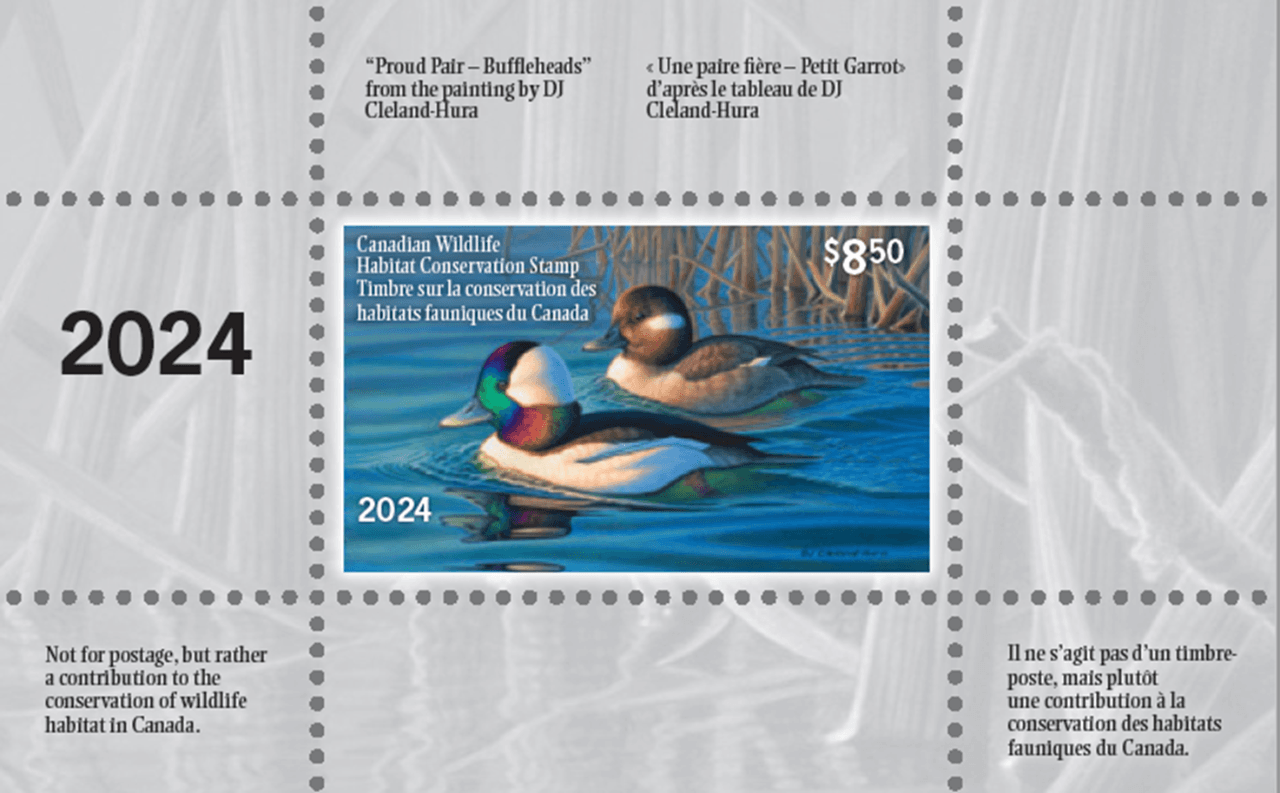
In Canada, be an active conservationist by purchasing an annual Canadian Wildlife Habitat Conservation Stamp, another beautiful miniature piece of art. $8.50 CA.
-
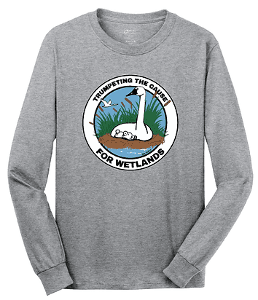
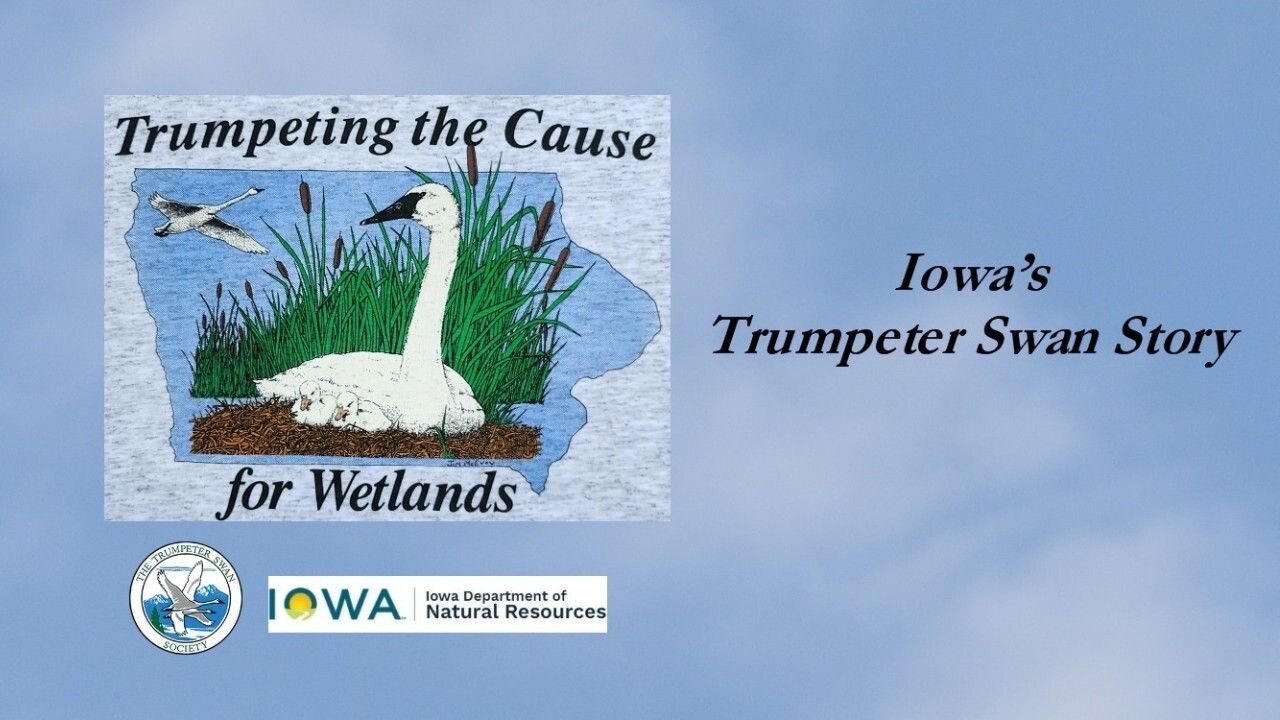
Purchase “Trumpeting the Cause of Wetlands” Trumpeter Swan Society merchandise and swag to show and share your support of wetland conservation
-
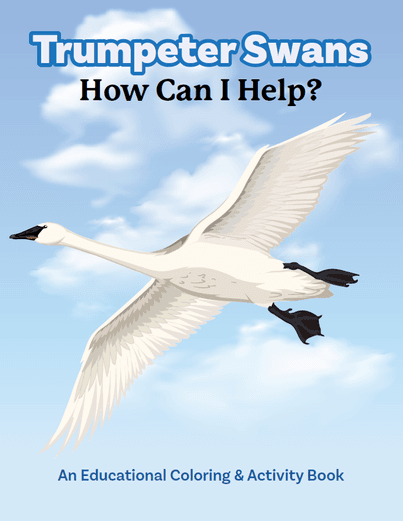
What about for kids? Trumpeter Swan Society has free swan and wetland activity books (for download) for students in Kindergarten-Grade 2, and Grades 3-5. They include lots of great information, videos and activities including some wetland-related activities.
-
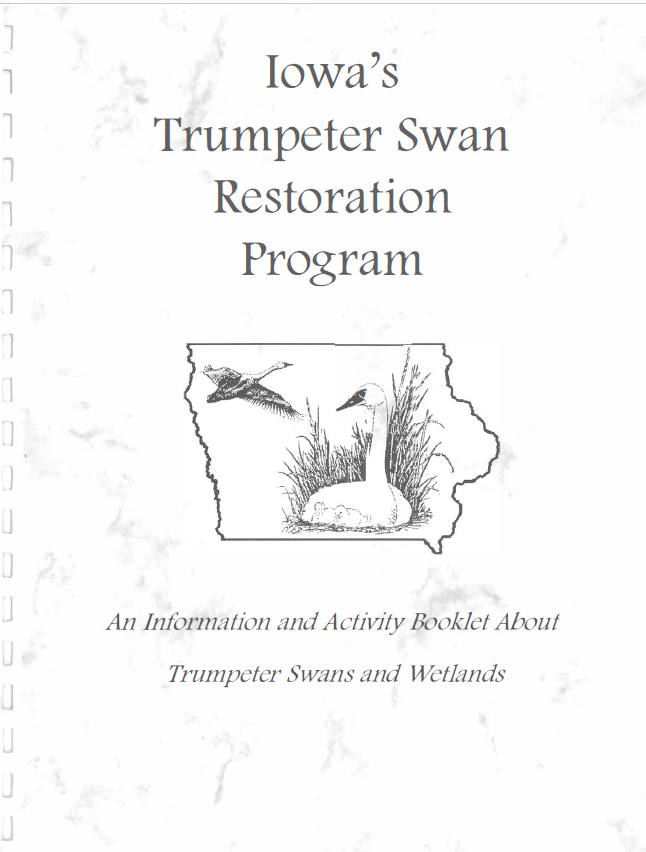
After clicking the link, scroll down the page and look for this image to download the book.
This Activity and Information booklet from the Iowa Restoration Program/Iowa Department of Natural Resource is a go-to guide to learn about and teach about trumpeter swans and wetland habitat.
-
If you build it, will they come?
What better seal of approval could there be for your conservation efforts than to have a Trumpeter Swan pair choose your wetland and nest successfully?
How can you attract nesting Trumpeters? Two of Wyoming's foremost Trumpeter Swan biologists have written a wonderful guide for improving swan nesting wetlands that we highly recommend.
-
You may be interested in building a nesting platform to attract trumpeter swans.
Here are two DIY options
-
Nesting Platform drawings from Three Rivers Park District (MN)


